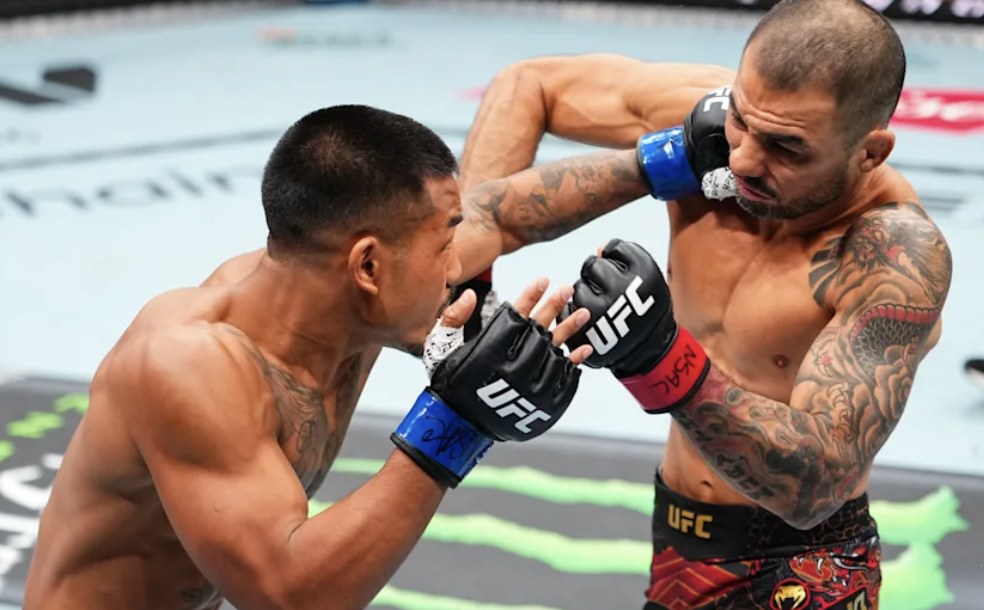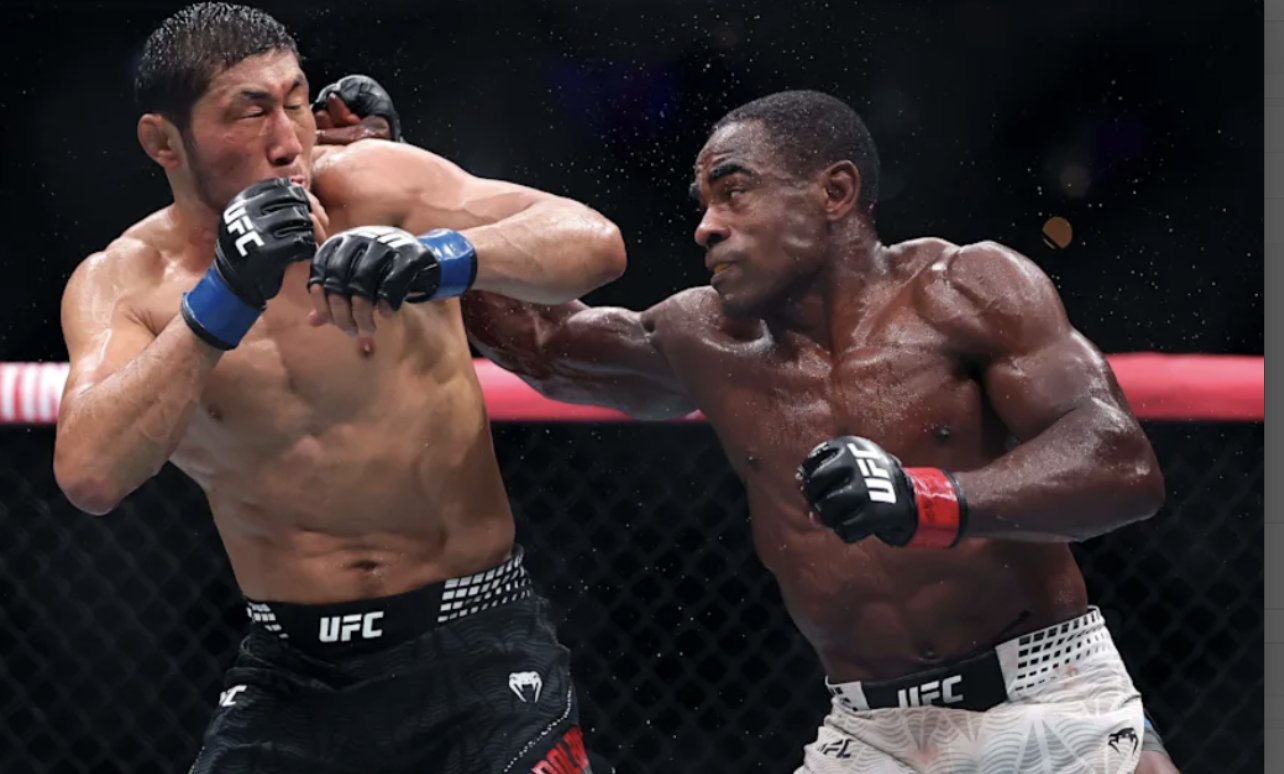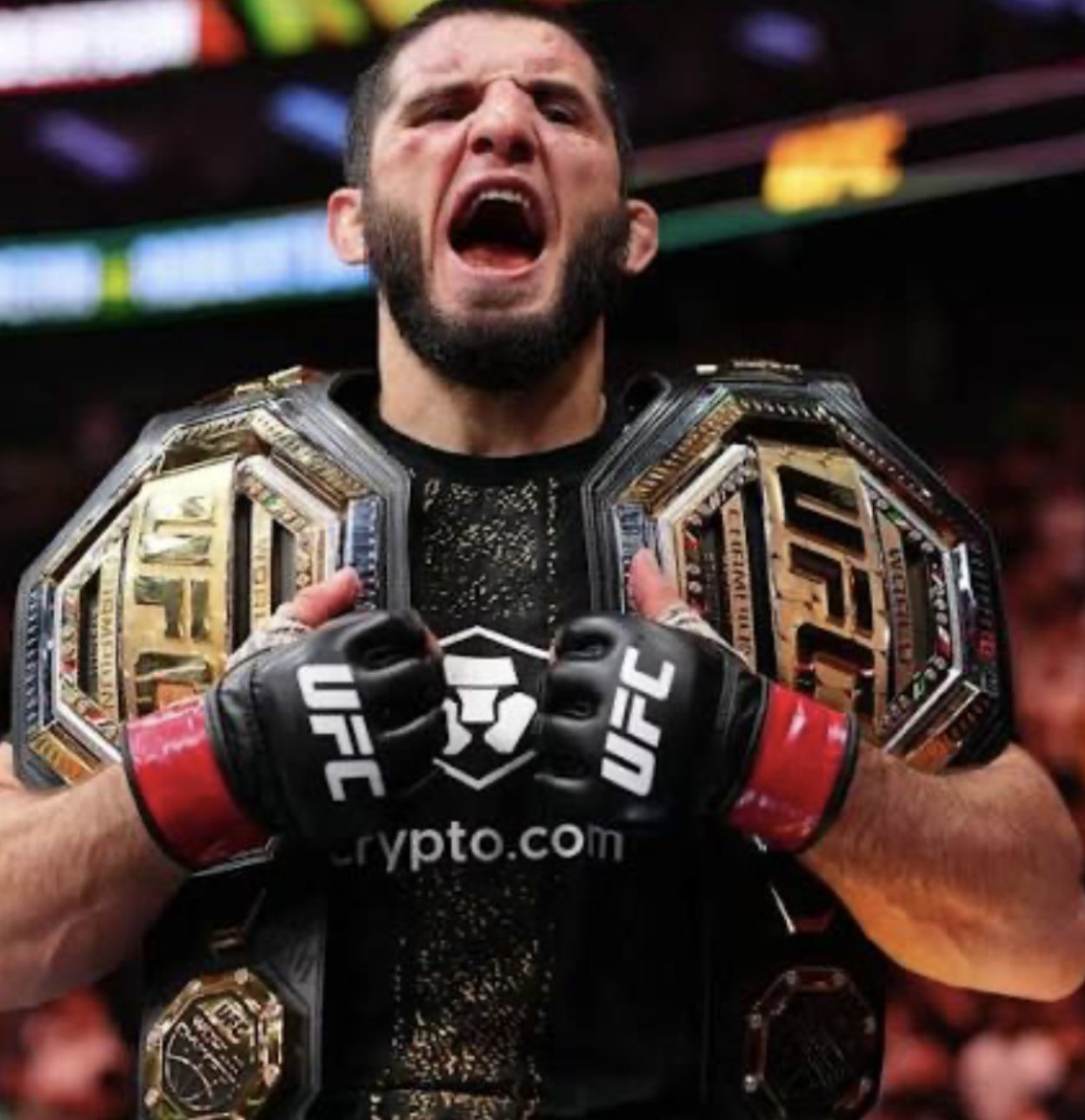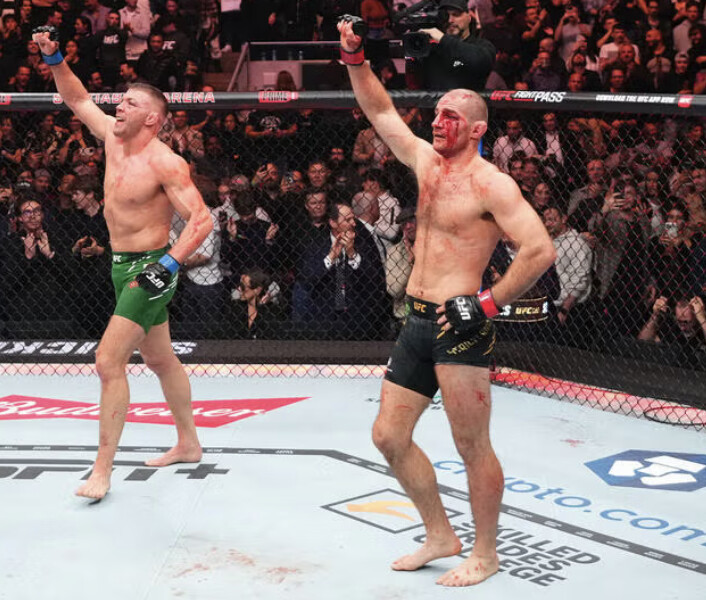
Most fights on a card, model probability and market-implied probability land within a few points of each other. UFC 330 in Philadelphia was a night where the consensus mostly held — and where the exceptions were instructive.
Both champions retained: Islam Makhachev's unanimous decision over Ian Machado Garry (49–46 twice, 48–47) and Mackenzie Dern's identical-scorecard defence against Gillian Robertson were the outcomes models and markets broadly expected. Favourites winning title fights on points is the quiet norm of championship MMA.
Where the surprises lived
The volatility, as usual, was underneath. Jalin Turner's 39-second knockout of Kauê Fernandes is exactly the kind of outcome that round-by-round models struggle to price — finishing variance compresses a fight's information to a single exchange.
And Esteban Ribovics stopping Edson Barboza inside two rounds — followed by the veteran retiring in the cage — is a reminder that age curves eventually break sharply, not gradually. Models are ruthless about late-thirties strikers; sentiment is not.