Los Angeles got the rematch it was owed and about four other fights nobody saw coming.
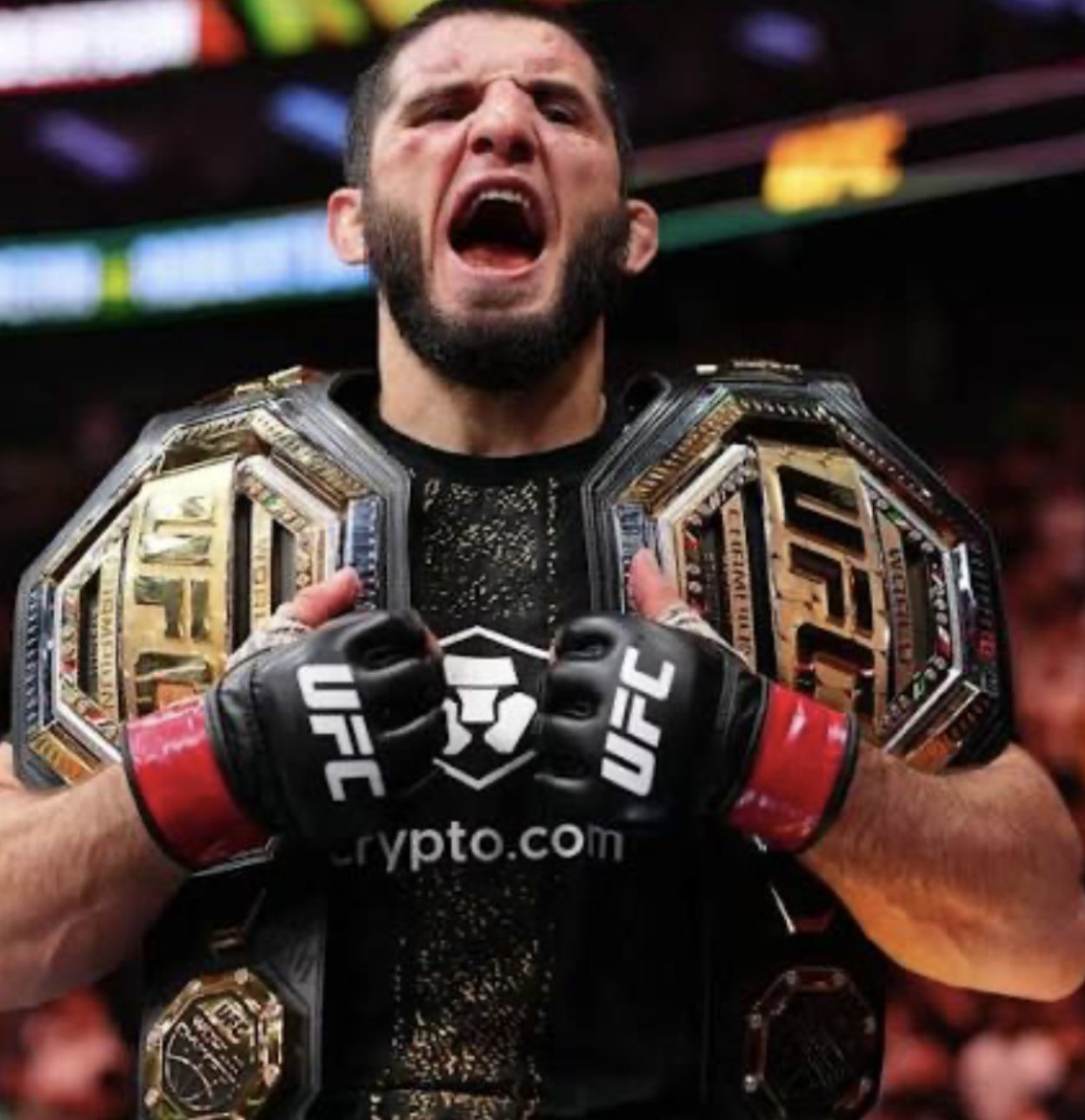
At UFC 331 at the Crypto.com Arena on 19 September, Joshua Van retained the flyweight championship with a unanimous decision over Alexandre Pantoja — 49-46, 48-47, 50-45 — finally settling a fight that ended in seconds the first time through injury.
But the result people will still be talking about in a year happened on the undercard, and it took less than ten seconds.
The main event: Van answers the only question left
Van won the belt at UFC 323 when Pantoja’s elbow gave way 26 seconds into their first meeting — a title changing hands before either man had thrown anything meaningful. We previewed the rematch as the fight the division was owed.
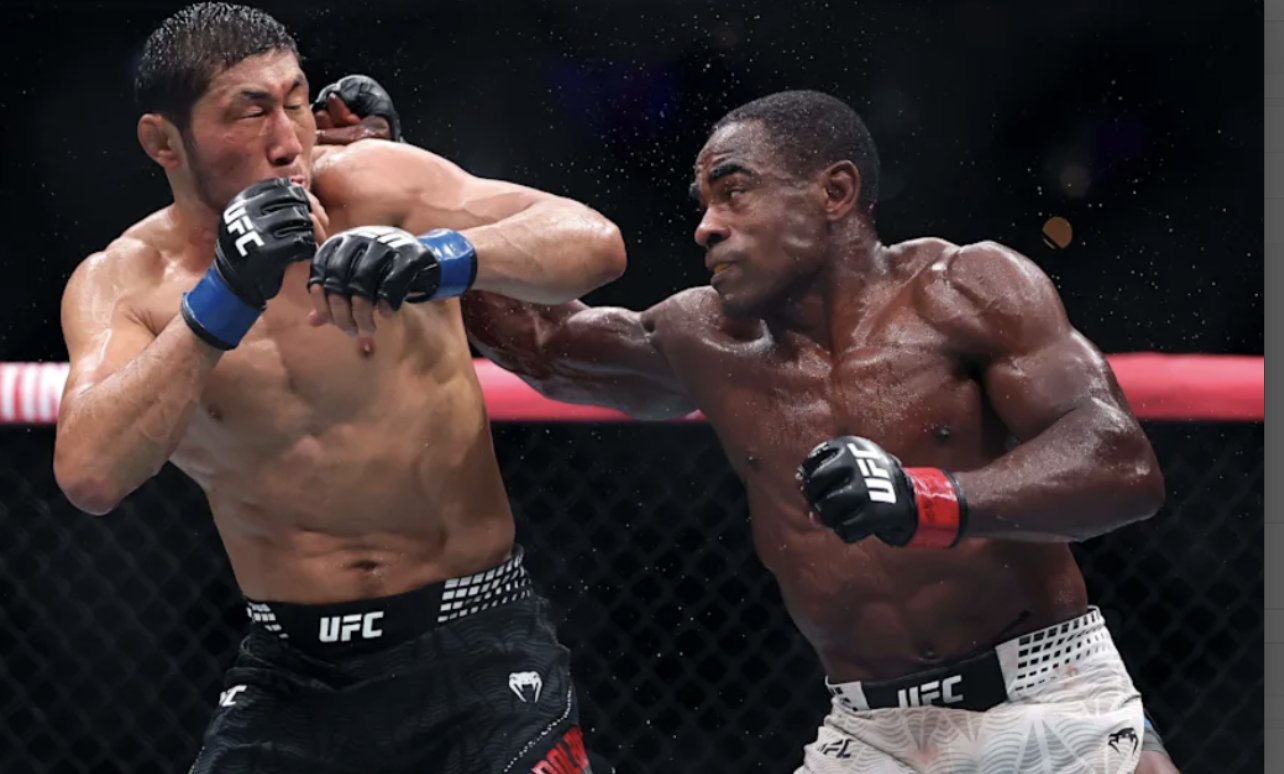
This time it went the full five. Van fought it on the outside, used his speed and struck with precision while Pantoja spent the night trying to close the distance and get to the clinch and the mat. One judge saw it 50-45; another had it 48-47, which tells you Pantoja had his moments.
A champion who wins the belt on an injury and then beats the same man over twenty-five minutes is no longer a champion with an asterisk.
Tsarukyan finishes it with one eye open
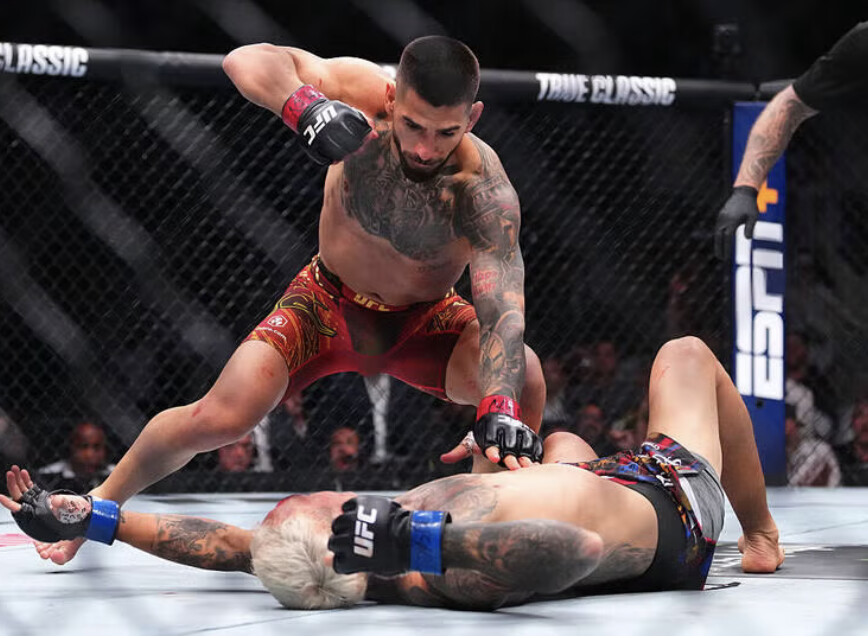
The co-main was the best fight of the night. Arman Tsarukyan took an early elbow that closed his left eye almost completely, then landed an elbow of his own in the closing moments of the first round to knock out Mauricio Ruffy.
He jumped the Octagon afterwards. The message was not subtle: he wants the lightweight title, and after a one-round finish like that the queue-jumping argument makes itself.
The upset: Sharaf 1, Steveson 0
Sean Sharaf knocked out Gable Steveson with a left hook in the opening seconds of the first round. It has been described as one of the biggest upsets in UFC history, and that is not a wild characterisation — Steveson came in heavily favoured, with an amateur wrestling pedigree that made him one of the most hyped heavyweight prospects in the sport.
There is a lesson in it that applies well beyond heavyweight MMA. A market prices a fighter on his credentials, his record and his story. None of those things are in the cage when a left hook lands clean on a chin in the first ten seconds.
That is not an argument that favourites are bad bets. Heavy favourites win most of the time — that is what makes them favourites. It is an argument that a price built on reputation and a price built on what can actually happen in a fight are two different numbers, and the gap between them is where the whole discipline lives.